 Call us now:

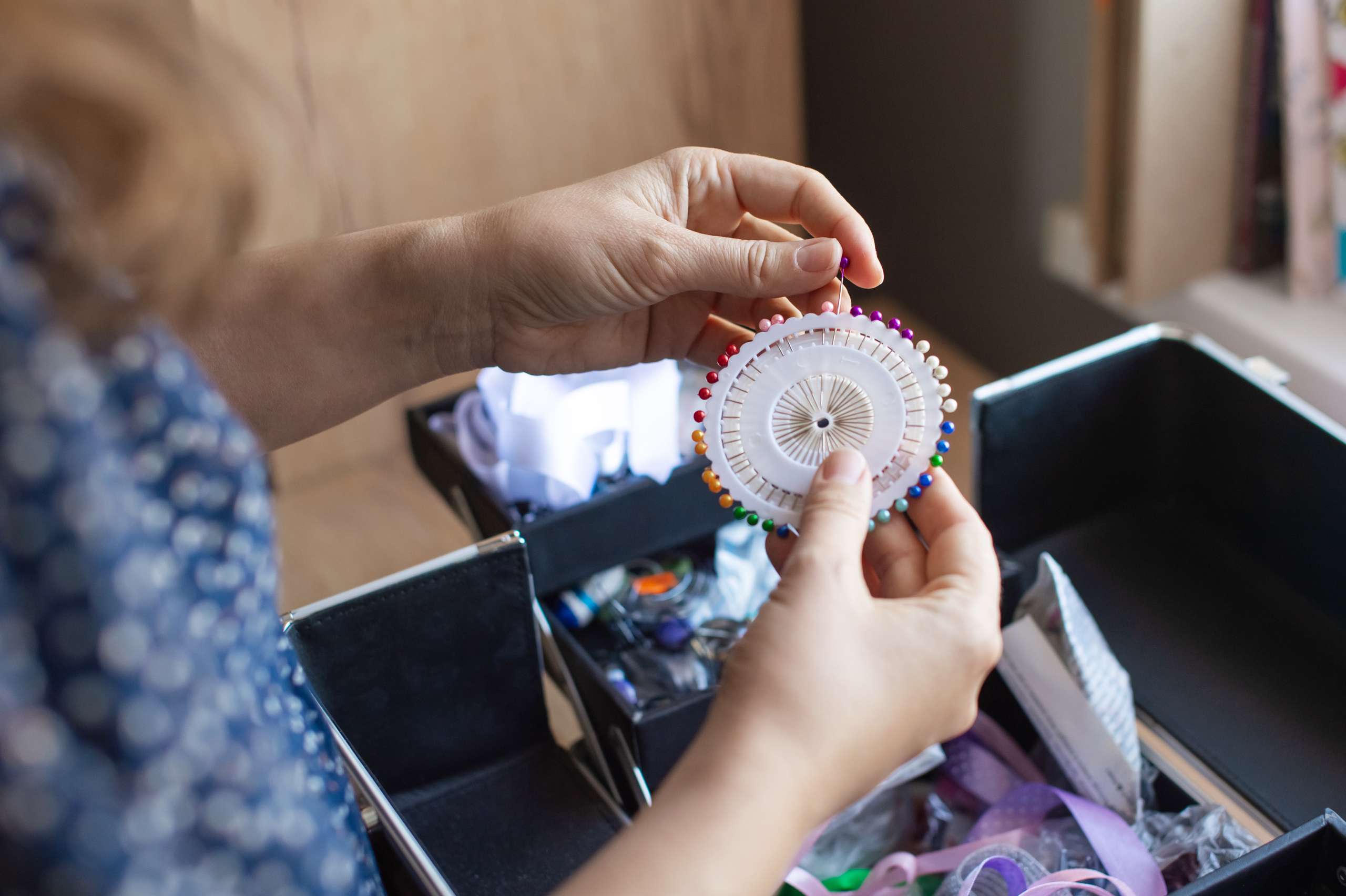
A short sewing session can still move your skill forward if the time has a clear purpose. Many beginners wait for a free afternoon, then sew rarely because life rarely opens that much space. It is far more useful to work in brief, focused bursts that train one small part of the craft at a time. Sewing responds well to this kind of attention. Even fifteen minutes is enough to improve control, understand fabric better, and correct a mistake that keeps repeating.
The key is to stop treating every session like a full project. In a short window, choose one narrow target. You might practice threading the machine until it feels calm and familiar, sew a few lines on scrap fabric to improve seam allowance, or test pressing on different cotton pieces to see how heat changes the surface. Small tasks build real ability because they remove the pressure of producing something impressive. They also make it easier to notice what actually needs work. If the machine feels intimidating, spend the whole session setting it up, lowering and raising the presser foot, winding a bobbin, and stitching only a few inches. That still counts as valuable practice.
A common mistake in short sessions is trying to squeeze in too much. Beginners often cut fabric, change thread, start construction, make an error, and then stop just as confusion begins. That creates frustration instead of momentum. A better approach is to decide before sitting down what the fifteen minutes are for. One day can be about sewing straight lines. Another can focus on corners. Another can be only seam ripping and resewing one messy section until it looks cleaner. Repeating one skill several times in a row teaches more than rushing through five unrelated tasks.
A simple routine works well. Spend the first two minutes preparing your space so nothing steals attention later. Place fabric, scissors, pins, and thread within reach. Use the next eight or nine minutes on one drill only. If you are practicing control, sew parallel lines across scrap fabric and try to keep the distance even. If you are learning curves, draw soft arcs and follow them slowly. Use the last few minutes to inspect what happened. Look for puckering, uneven spacing, loose thread tails, or drifting lines. Then make a quick note to yourself about what to repeat next time.
When progress stalls, make the task even smaller. If curves feel impossible, return to straight seams for one session and focus only on guiding lightly instead of gripping the fabric. If corners come out bulky, practice pivoting on fabric squares without worrying about creating anything useful. If the thread keeps tangling, pause construction completely and check threading, bobbin direction, and needle condition. Short sessions are especially good for solving one stubborn problem because there is no pressure to finish an entire piece before understanding what went wrong.
Over time, these brief sewing blocks create a rhythm that feels steady rather than overwhelming. The machine becomes easier to approach because each session has a clear edge and a manageable goal. Skill grows quietly this way. Seams straighten, fabric handling becomes calmer, and small finishing details begin to look more deliberate. Fifteen minutes may not produce a completed garment, but it can absolutely build the hands and habits that make one possible.