 Call us now:

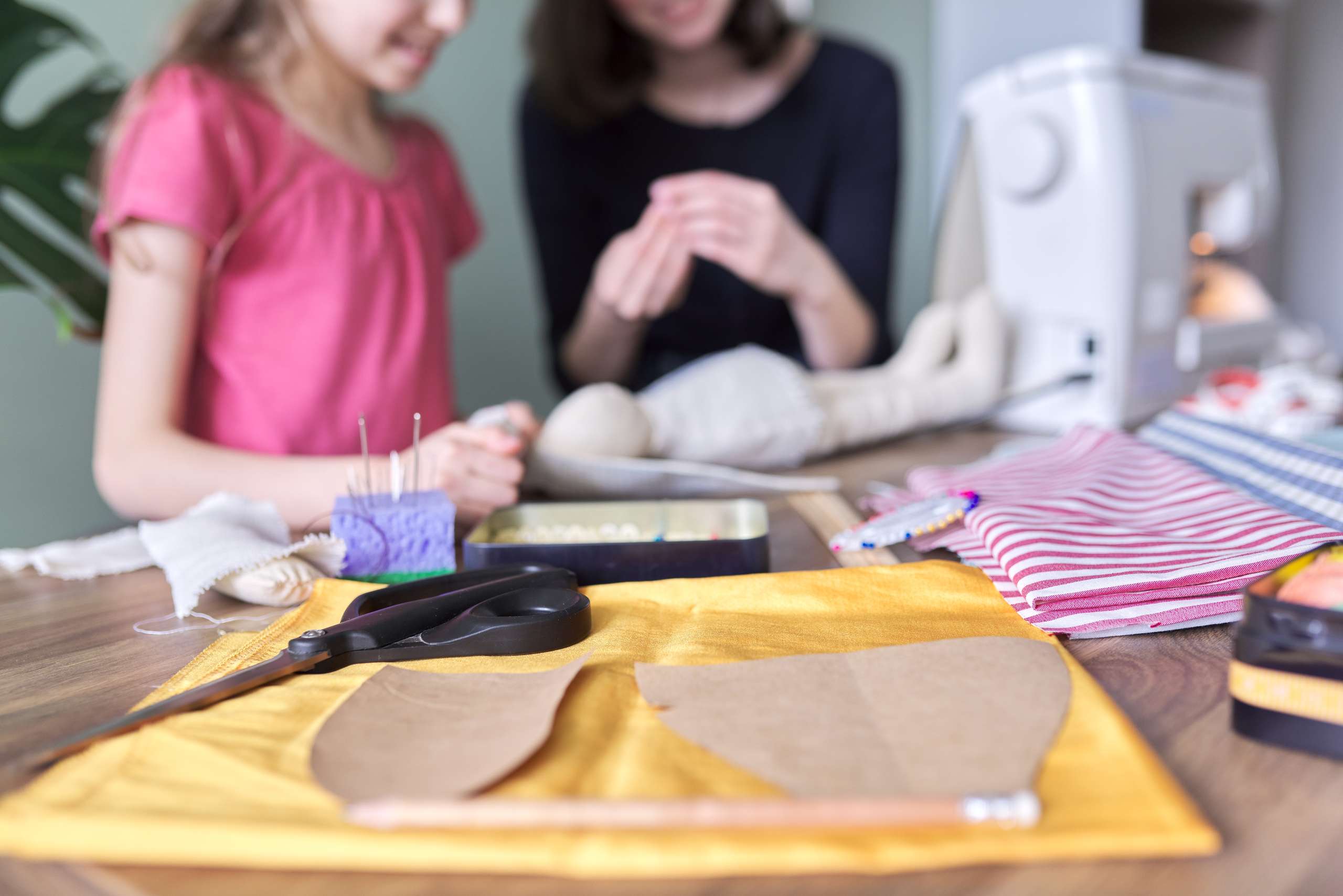
A first sewing session often begins with the dream of making something wearable, but the real turning point usually happens earlier, with one quiet skill: sewing a straight seam. It looks simple until fabric starts drifting, the stitching line wobbles, and the edge no longer matches what you planned. That is not failure. It is the moment when hand position, machine speed, and attention begin to work together. Learning to control a straight seam builds the foundation for hems, side seams, waistbands, simple bags, and nearly every beginner project that follows.
Start without pressure by removing the idea that every practice session must produce a finished item. Cut several strips of plain woven cotton and draw clear lines with chalk or a washable pen, first straight, then gently curved. Sew directly on those lines without worrying about beauty. The goal is to notice how the fabric moves under your hands. Keep your eyes slightly ahead of the needle instead of staring at the exact point where it enters the cloth. That small shift improves control because your hands respond earlier, not after the fabric has already drifted.
One common mistake is pulling the fabric from behind the presser foot because it feels like the machine needs help. That usually creates uneven stitches, stretched fabric, or a seam that bends off course. Instead, let the feed dogs move the cloth while your hands guide lightly from the front and sides. Another frequent problem is sewing too fast in an attempt to “get it over with.” Slowing down gives you more time to correct direction and helps you hear whether the machine is stitching evenly. If the line goes crooked, stop, lift the presser foot, reposition the fabric, and continue rather than trying to force it back while sewing at full speed.
A useful fifteen-minute practice block can be surprisingly simple. Spend the first few minutes threading the machine carefully and checking that the needle is suitable for the fabric. Then sew three or four straight lines on scrap fabric, aiming for consistency rather than speed. After that, stitch two rows beside each other, trying to keep the spacing even. Use the final minutes to look closely at the result. Are the stitches balanced? Did the seam allowance stay the same width? Did the fabric pucker? That short review matters because improvement comes from noticing patterns, not just from repeating motion.
When you get stuck, shrink the exercise instead of abandoning it. If straight seams keep wandering, practice on paper with no thread for a few minutes and follow printed lines. This builds steering control without wasting fabric. If fabric bunches, check whether the thread is correctly seated and whether the machine is threaded with the presser foot raised. If your seam allowance keeps changing, place a small piece of tape on the machine bed as a visual guide. Tiny adjustments like these often solve what feels like a much bigger problem.
After a few sessions, straight seams begin to feel less like luck and more like rhythm. The machine sounds steadier, your hands relax, and the fabric stops feeling unpredictable. That is when beginner sewing becomes truly satisfying, because each clean line opens the door to real construction. A cushion cover, a drawstring pouch, or a simple skirt will come later, but the confidence starts here, in the practice fabric, one controlled seam at a time.